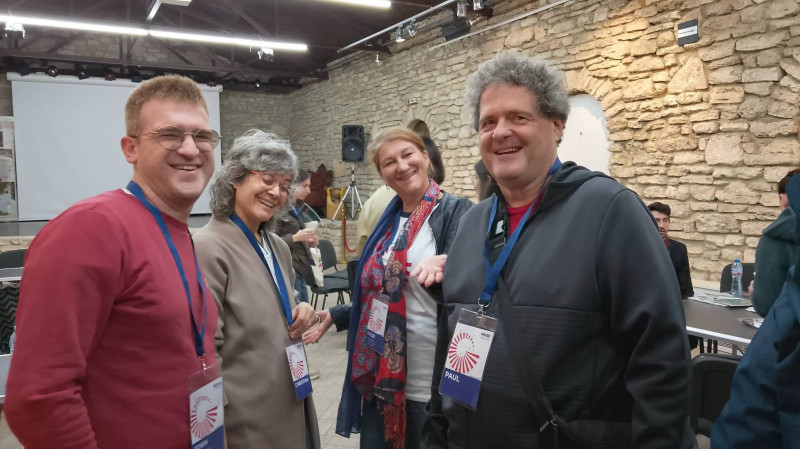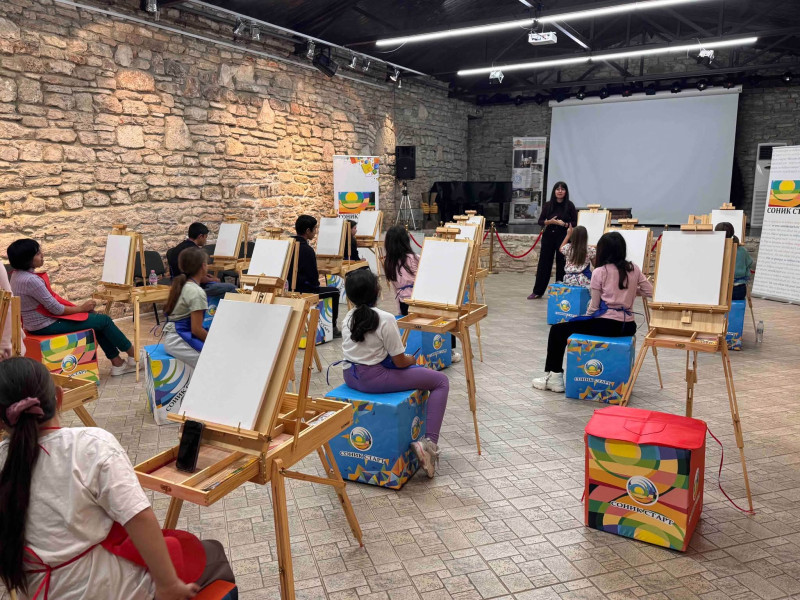
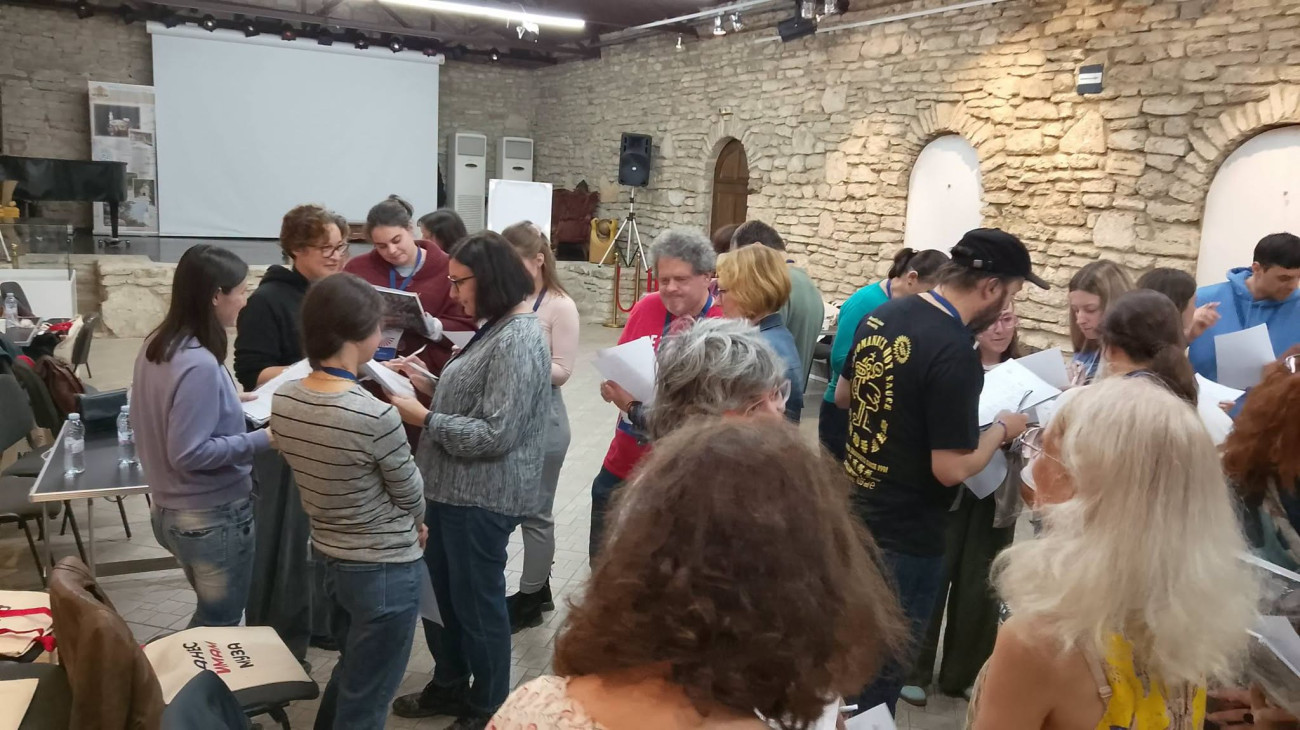

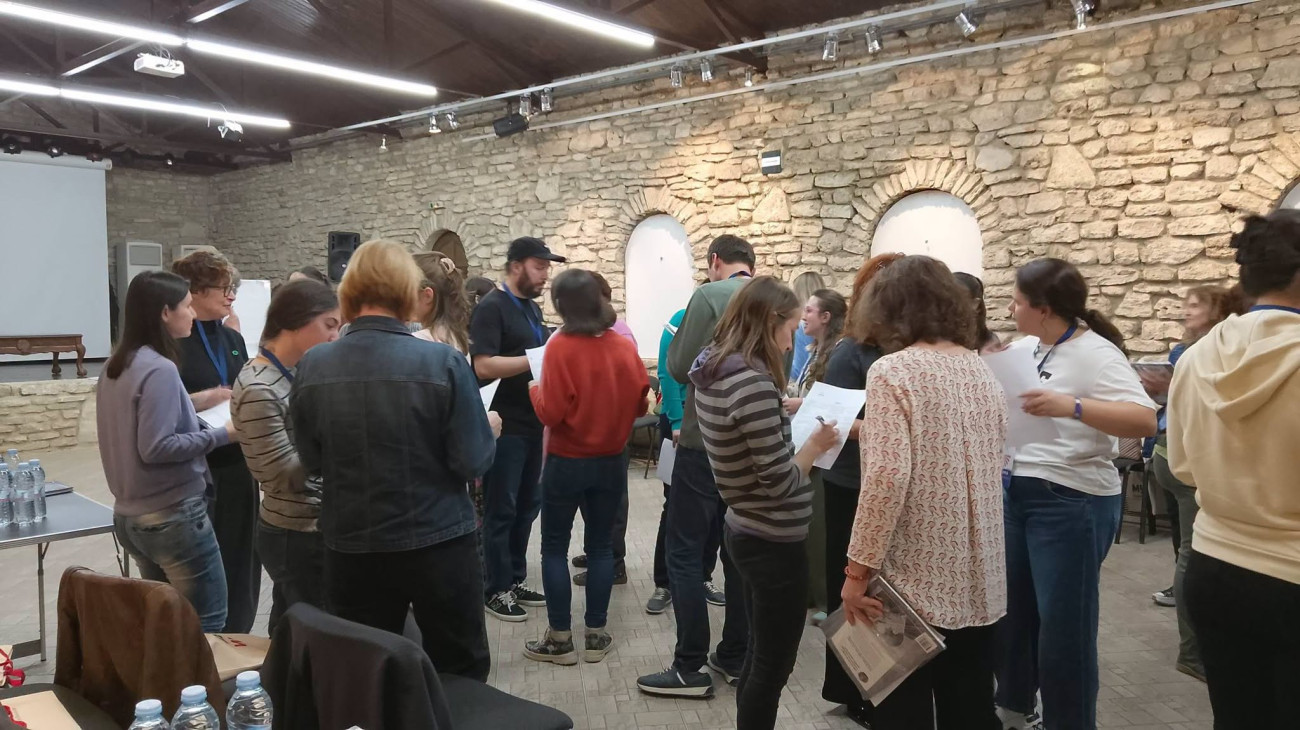
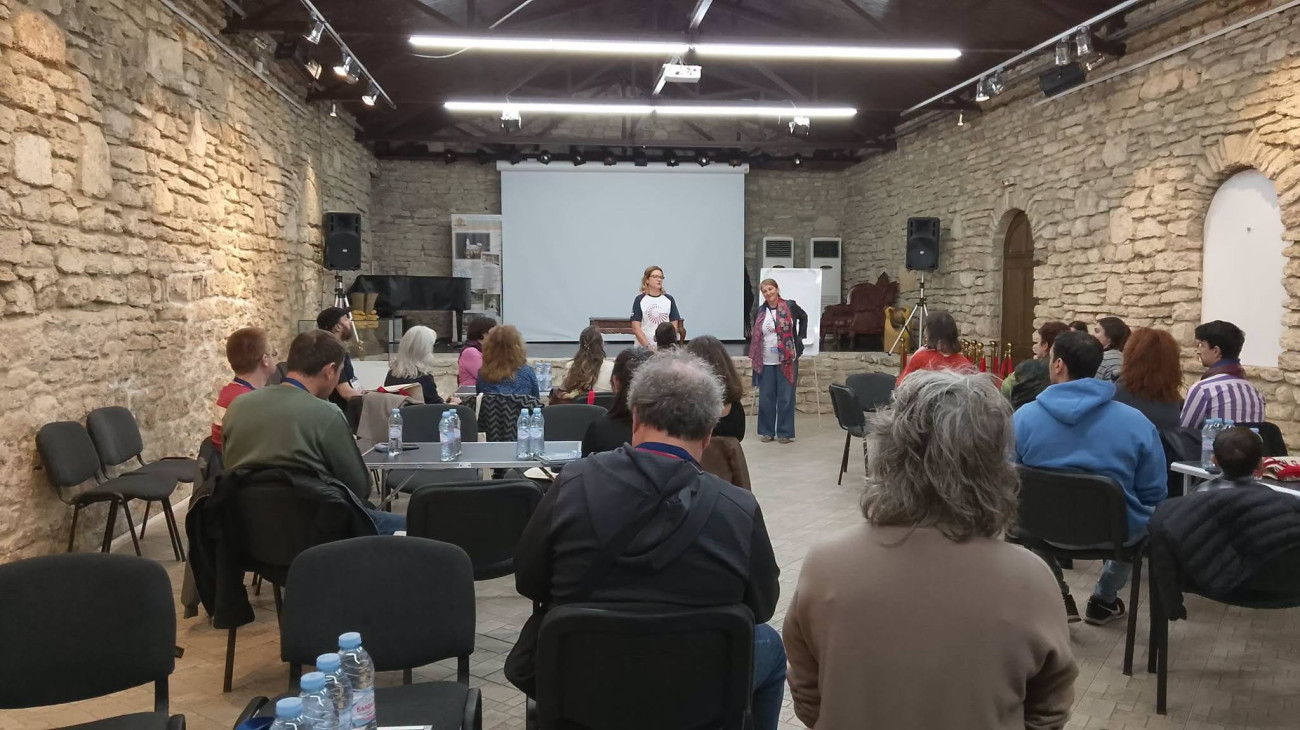
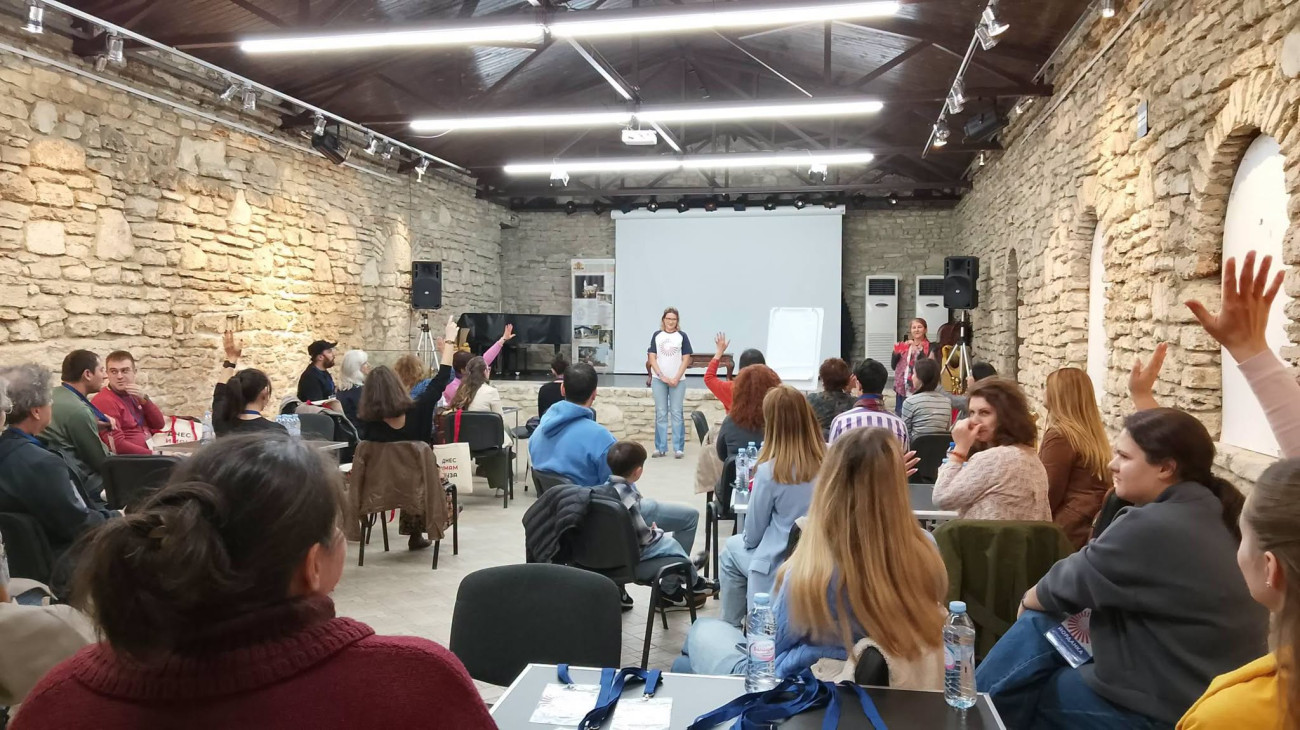
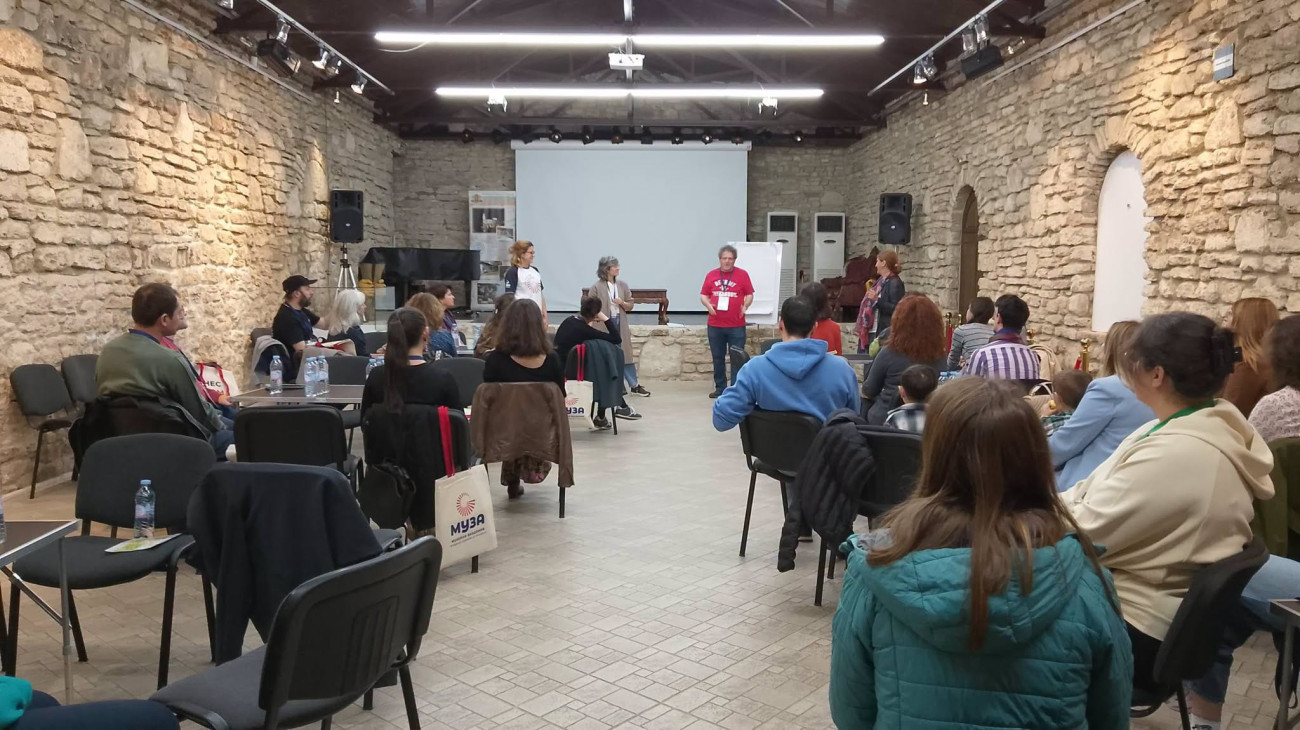
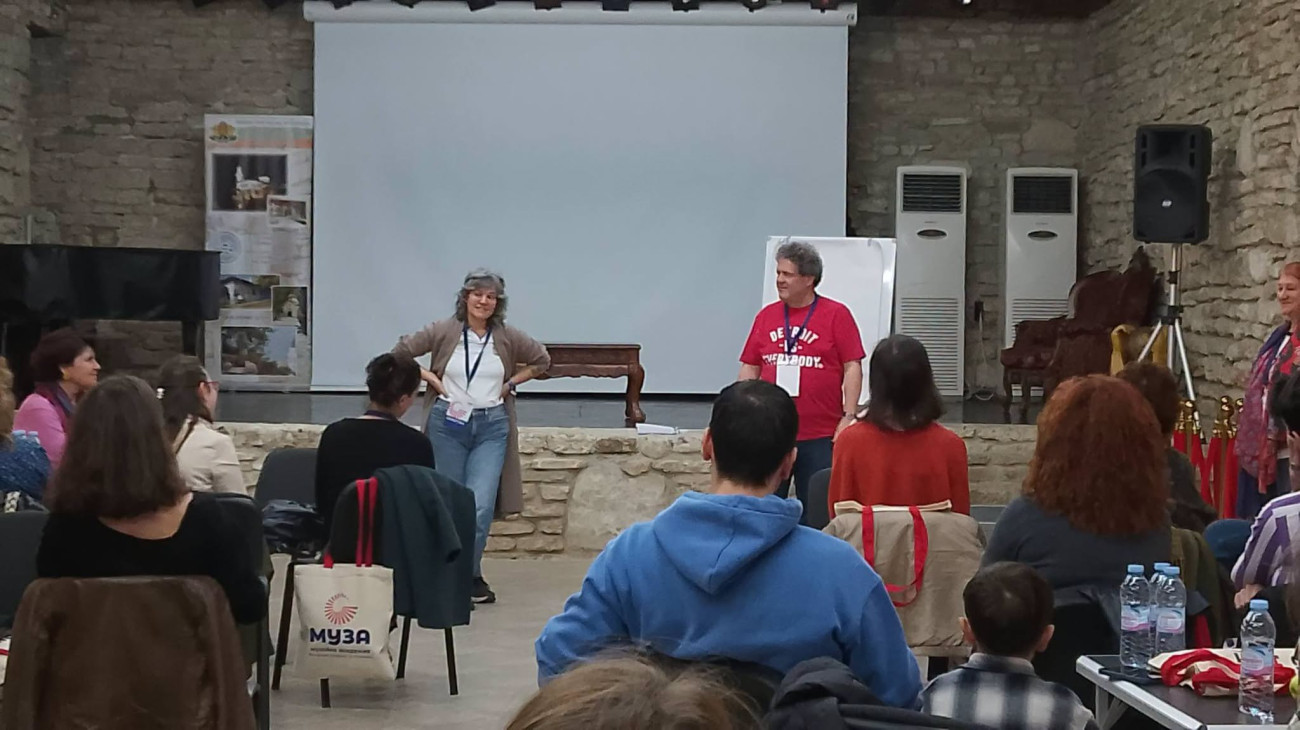
The MUSE Academy officially opened in the Stone Hall of the State Cultural Institute – Cultural Centre “The Palace” in Balchik. The professional initiative focuses on the development of contemporary museum practices and the creation of more meaningful and engaging visitor experiences.
Over the course of five days, with the support of the America for Bulgaria Foundation, museum professionals from across Bulgaria will exchange knowledge, experience and ideas about the future of museums and their role in contemporary society. The academy is led by Paul Orselli and Cristina Ferruerda.
Participants include members of the team at the State Cultural Institute – Cultural Centre “The Palace” who work directly with visitors, representatives of the University Botanical Garden – Balchik, and the entire team of the Historical Museum – Balchik.
The programme places visitors at the heart of museum practice, emphasising the importance of understanding their interests and needs, developing compelling stories and interactive elements, and exploring new approaches to engaging diverse audiences.
As part of the training, participants will explore the principles of design thinking, prototyping and visitor experience evaluation. The programme also includes visits to the various spaces within “The Palace” and the Historical Museum – Balchik. These visits will provide opportunities to discuss ways of presenting cultural heritage more actively and meaningfully, while strengthening connections with audiences.
The academy’s opening evening was dedicated to helping participants get to know one another through an interactive icebreaker activity, marking the beginning of several days of professional exchange and collaborative work.
The team of the State Cultural Institute – Cultural Centre “The Palace” is delighted to host the MUSE Academy, an initiative that encourages the sharing of best practices, the development of new ideas and the exploration of contemporary approaches to museum work.
We believe that professional gatherings of this kind contribute to the development of cultural institutions as open spaces for knowledge, discovery and shared experiences — spaces that not only preserve historical memory but also foster lasting connections with people.